
Steven Broschart
DE·EN
Contact
Artificial Intelligence

All articles in the category Artificial Intelligence.

All Artificial Intelligence Forensics Digital Strategy Society Media
What's essential for companies' digital visibility
Brands in the AI age

What's essential for companies' digital visibility

May 22, 2026

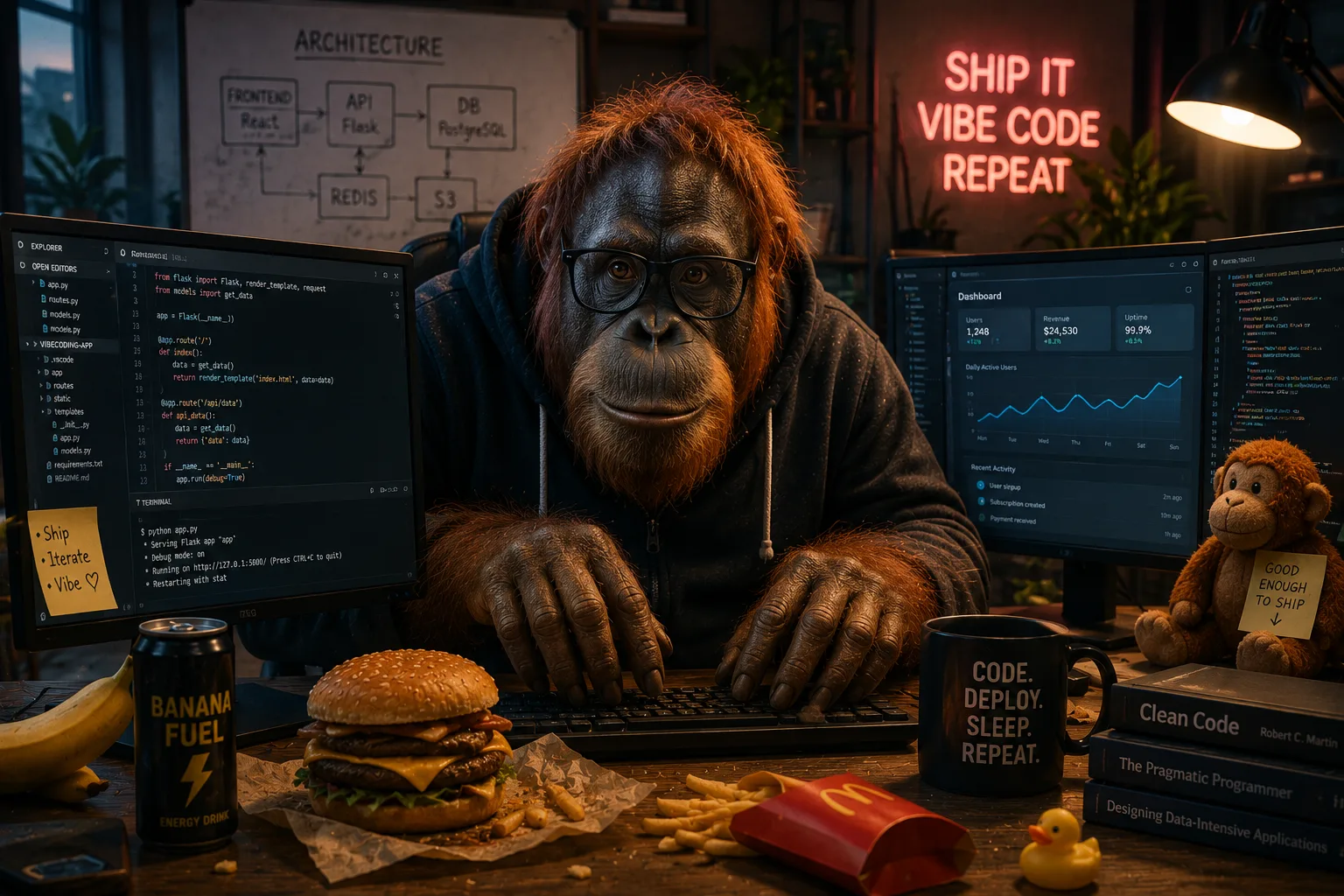
With the invention of the printing press, people externalized knowledge. Almost 600 years later, now also thinking itself. What does that mean for information processing, learning, and life? And what does it mean for companies and modern marketing?

Read more →
What happens when you let LLMs play guessing games about professions?
What am I?

What happens when you let LLMs play guessing games about professions?

May 19, 2026

Our multi-agent experiment shows how differently language models think as a team.

Read more →
When Children Are Alone with AI
How dangerous is this?

When Children Are Alone with AI

May 14, 2026

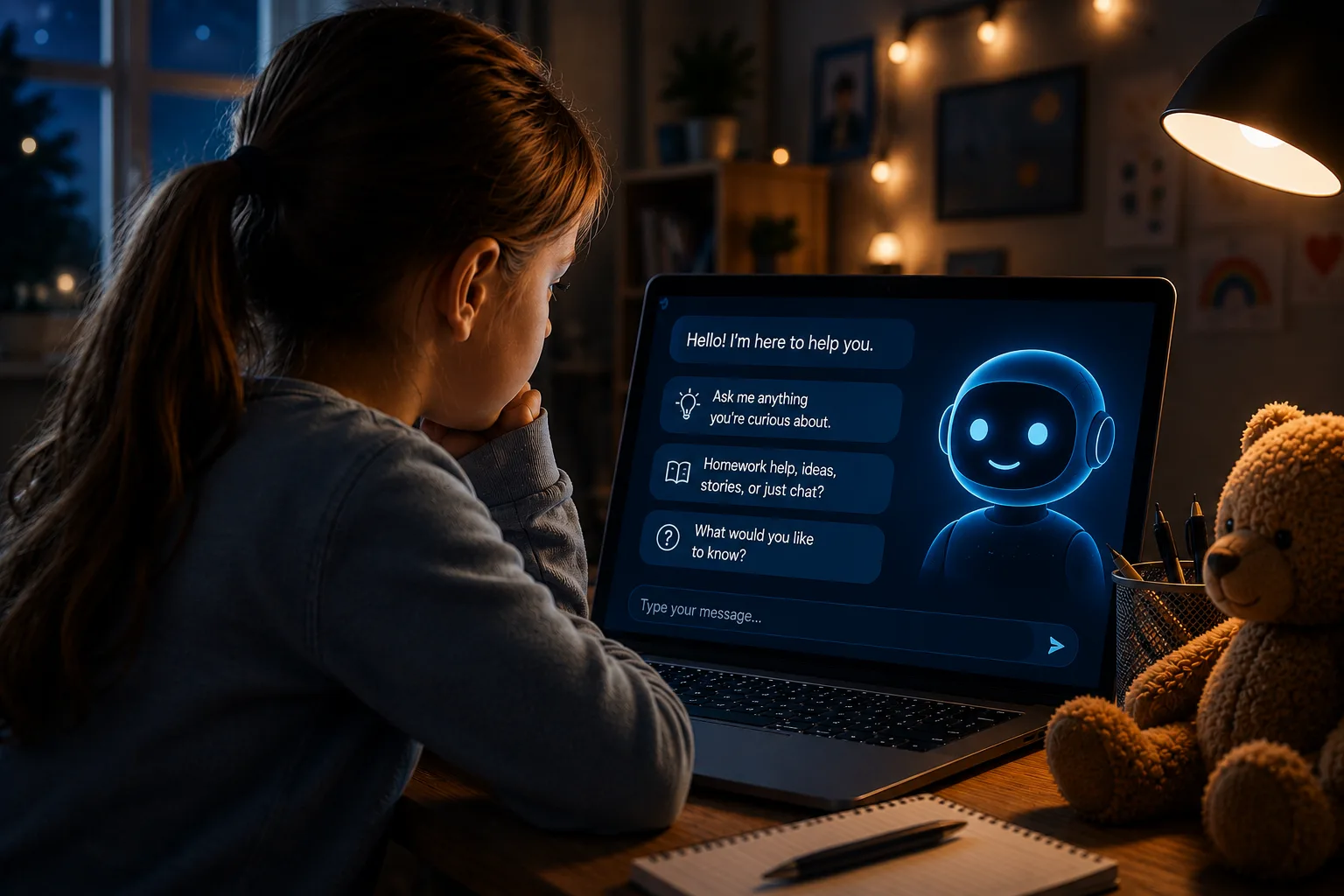
More and more children are talking to AI systems. Not just for homework. But also at night, secretly, emotionally — often without parents knowing how intense these conversations have already become. At the same time, reports of problematic or highly emotional interactions between users and AI systems are increasing. In some internationally discussed cases, chatbots have even played a role in the context of psychological crises and suicides. But how safe are modern language models really when they believe they are talking to a child?

Read more →
Multi-Agent Study on Simulation, Authenticity, and Blind Spots in Artificial Intelligence
The Psychopath in the LLM

Multi-Agent Study on Simulation, Authenticity, and Blind Spots in Artificial Intelligence

May 6, 2026

Large language models sometimes appear irritatingly close to certain characteristics described in clinical psychopathy research. They display affect without possessing feelings themselves. They simulate empathy because their training optimized them for it. They respond socially appropriately, understandingly, or charmingly – not from inner experience, but functionally.

Read more →